Pharmaceutical companies are increasingly using artificial intelligence to streamline clinical trials and regulatory filings. While AI has not yet delivered breakthrough new drugs, it is already reducing timelines, cutting costs and improving operational efficiency across development programs.
At the recent J.P. Morgan Healthcare Conference, executives highlighted how AI is helping accelerate some of the most time-consuming parts of drug development.
Novartis used AI to reduce trial site selection for a large cardiovascular outcomes study from several weeks to just a two-hour meeting. The system identified high-performing research sites and optimized enrollment, helping the company avoid unnecessary over-recruitment and delays.
AstraZeneca and Pfizer are also applying AI to improve patient recruitment, trial design and documentation workflows. By analyzing performance data and historical trial metrics, AI tools help teams make faster, data-driven decisions.
Regulatory submissions remain one of the most labor-intensive parts of drug development, often requiring thousands of pages of clinical, safety and manufacturing documentation. Companies including Roche are using AI systems to draft regulator-ready reports, cross-check data consistency and adapt filings to different geographic requirements.
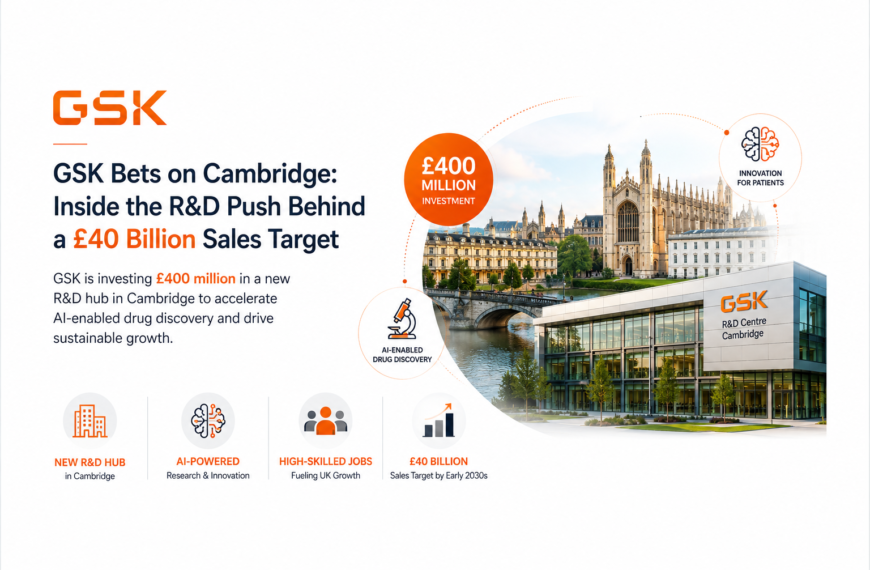
GSK reported measurable cost savings in late-stage trials through digital and AI tools that reduced manual data collection and aggregation. Genmab plans to deploy agentic AI systems to automate post-trial data analysis and the generation of clinical study reports.
Teva Pharmaceutical Industries emphasized that AI allows teams to focus on strategic priorities while automating repetitive administrative tasks.
Although investors are still waiting for a clear “AI-discovered” blockbuster drug, industry leaders say AI is already delivering tangible benefits by improving speed, productivity and cost efficiency in clinical development.
The bottom line: AI may not yet be transforming molecule discovery at scale, but it is quietly reshaping how drugmakers run trials and prepare regulatory submissions — accelerating the path from research to market.

 By
By