
Key Takeaways
- AI adoption accelerating: Leading players like Certara, Recursion, Charles River, and Schrodinger are fast-tracking AI-driven drug discovery and safety testing.
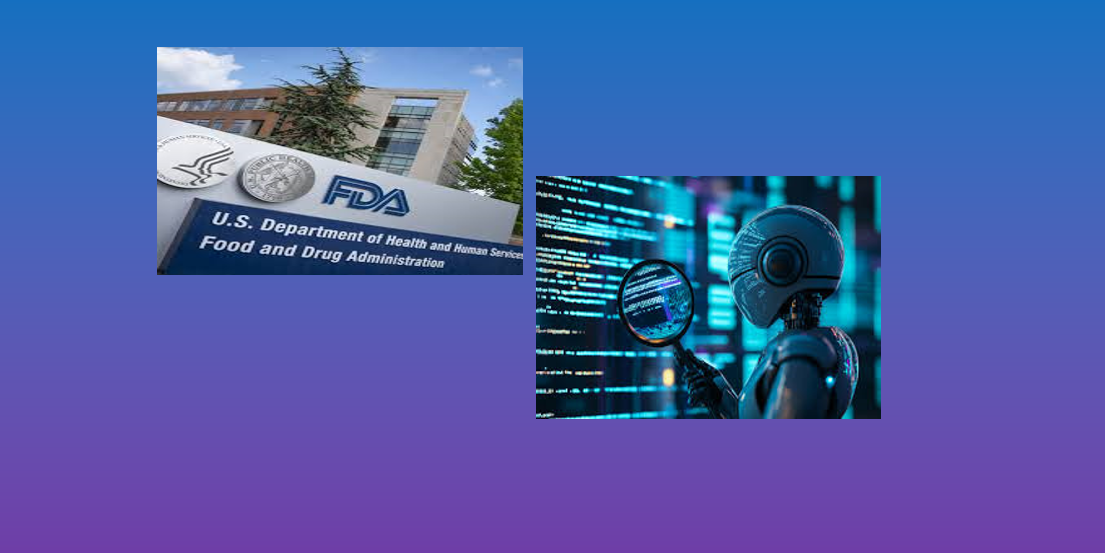
- Regulatory shift: FDA’s roadmap envisions animal studies becoming the exception, paving the way for computational and human-cell-based models.
- Industry impact: Timelines for new drugs could shrink from 15 years to 7, with costs potentially halved from $2 billion.
FDA’s New Roadmap Sparks Industry Transformation
The U.S. FDA has outlined a bold strategy to make animal studies the exception in pre-clinical testing within the next three to five years. This shift encourages adoption of AI, human-cell models, and computational platforms to accelerate and reduce the costs of drug development. Industry experts suggest this could lead to not only faster approvals but also more affordable therapies in areas such as oncology and infectious diseases.
Big Players Betting on AI-Driven Models
Certara, a leader in drug development software, is leveraging AI to predict absorption, distribution, and toxicity, significantly reducing reliance on animal data. Recursion Pharmaceuticals showcased its AI platform’s speed by advancing a cancer drug candidate into trials in just 18 months—less than half the industry average of 42 months. Charles River, one of the largest research contractors, has already built a $200M revenue stream from its New Approach Methodologies (NAMs) portfolio.
Smaller Innovators Enter the Race
Emerging players are bringing specialized solutions into the ecosystem. InSphero is replicating liver functions with 3D tissue models, while Schrodinger integrates physics-based simulations with AI for toxicology predictions. These hybrid approaches are expected to become the industry standard, combining limited animal studies with advanced computational and organ-on-chip data.
Market Outlook: Faster, Cheaper, More Accessible Therapies
Analysts at TD Cowen and Jefferies forecast AI-driven drug discovery to reduce costs and development timelines by more than half, reshaping the economics of biopharma. With the FDA aligning regulatory policy to support such innovation, industry stakeholders expect not only faster pipelines but also lower drug prices for patients worldwide. While experts caution that animal testing may not disappear completely in the near term, the momentum is clear: AI is redefining the foundation of modern drug development.

 By
By