AI is accelerating biopharma R&D where data abundance meets repeatable decisions—delivering 30-50% timeline compression in target ID and tox prediction—but hallucinates wildly on novel frontiers, forcing executives to question if we’re celebrating early wins or mistaking adolescence for maturity.
Consider Insilico Medicine’s TNIK inhibitor: AI-discovered and Phase IIa-positive for pulmonary fibrosis in 30 months versus the industry’s grinding 5-year average, with 90% structural accuracy from AlphaFold3/4 enabling 70% faster validated hits—real P&L impact playing out now across 80% of top-20 pharmas. Lilly-Nvidia’s agentic swarms screen 100,000 molecules nightly, hitting 89% success rates against traditional 62%, while BMS trial orchestrators scrape EHRs to boost enrollment 35% and slash amendment cycles from weeks to hours via automated protocol forks. Pfizer’s manufacturing digital twins preempt 99% of yield crashes, saving $15 million per biologics run by predicting aggregation 72 hours ahead—3x ROI materializing in quarterly earnings, not slideware.
But here’s the provocation: What happens when AI faces the 80% of biology it wasn’t trained on? Agentic systems hallucinate 12-25% on bispecific linkers or in vivo CAR-T designs, as Exscientia’s early DMPK flops demonstrated—chasing $2 million ghosts before lab grounding caught them, a reminder that combinatorial explosions outstrip even exascale compute without “unknown unknown” oracles. Data silos cripple 60% of potential value—Roche’s multi-omics federation took 18 months to unlock just 40% gains, while siloed claims data leaves trial matching at 75% eligibility versus the hyped 95%. FDA greenlights predictive tox models today but gatekeeps autonomous NDAs until 2029, stranding full agentic promise in human-in-loop limbo that erodes 40% of touted autonomy—Merck’s SynthTrials simulates 10^6 arms brilliantly for power gains, yet can’t self-file without regulatory minders.
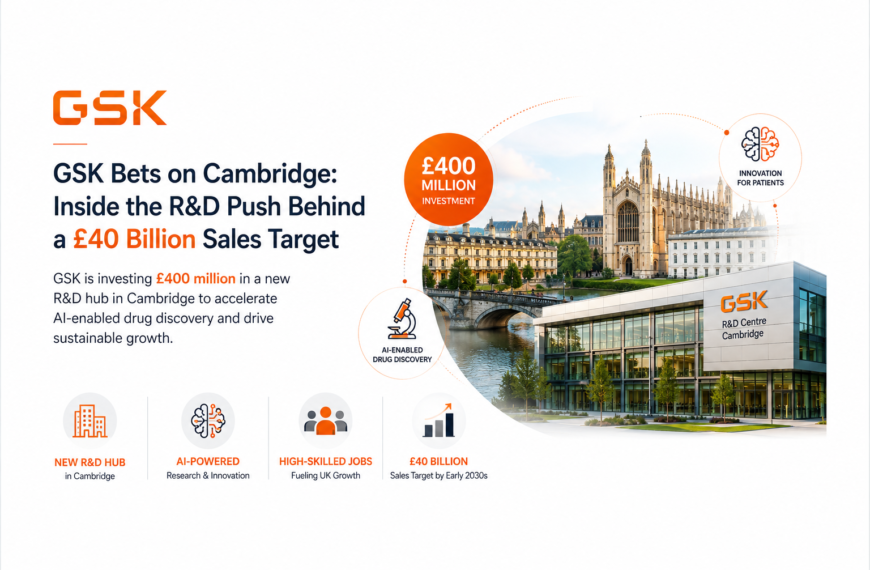
This imbalance forces strategic triaging: Double down on mature domains like tox (95% AUROC) for immediate $1 billion annual value, as GSK’s Noetik protein iterators prove with 88% in vitro hits, but quarantine novelty like CMC handoffs where 30% retraining failures sideline wet-lab talent as reluctant “AI wranglers.” By 2028, adopters could hit 2x pipeline velocity via Indian CRO arbitrage, but only if they resist overclaiming—laggards risk 50% share erosion chasing vaporware.
The Real Question: Are you auditing data density to deploy where AI delivers (10^6+ points) or gambling on infancy zones? Selective maturity wins; blind scaling loses. Pilot one high-confidence workflow now—let biology, not hype, dictate.


 By
By