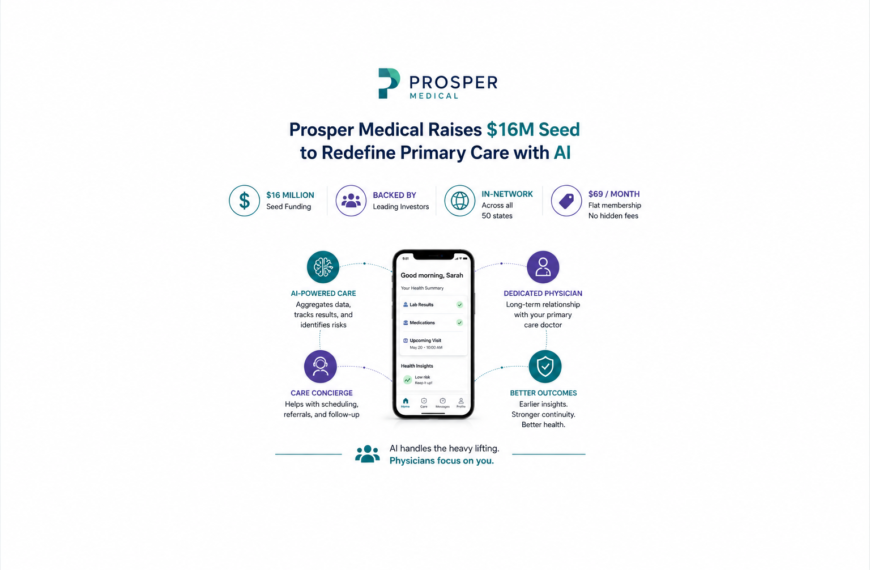
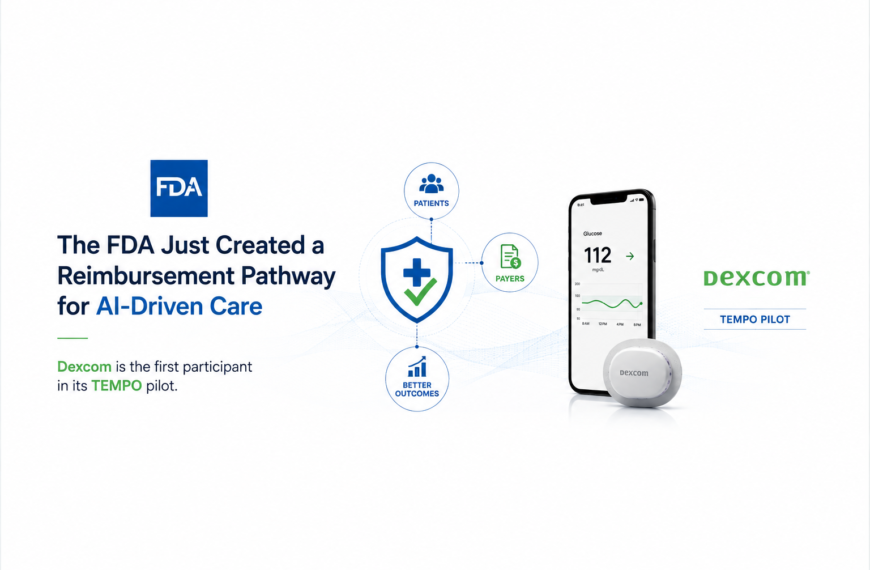
Agentic AI shifts biopharma R&D from static predictions to dynamic, self-executing agent swarms that plan, act, validate, and iterate—compressing discovery cycles by 40-60% through closed-loop precision.
Core Mechanics and Usefulness
Agentic systems deploy planner agents to decompose R&D tasks (e.g., “optimize KRAS binder”), executor sub-agents for parallel simulations (docking, tox profiling, synthesis routing), and validator agents cross-referencing outputs against lab oracles/digital twins. This autonomy eliminates human bottlenecks in data synthesis, enabling 10^7-10^9 nightly iterations vs. manual 10^2-10^3.
Utility: Handles combinatorial explosion humans can’t—e.g., screening 100k bispecific linkers with ADMET constraints in hours, not quarters.
Proven Approaches Across Pipeline
- Target ID & Hit Finding: Lilly-style meshes fuse AlphaFold3 + quantum DFT for multi-omics scoring; self-prunes 95% dead-ends via RLHF from compound libraries—hit rates jump 35% (89% vs. 62%).
- Lead Optimization: GSK-like protein iterators generate 2k scaffolds overnight, dock against cryo-EM, auto-nominate with CMC-ready profiles—CMC handoff 50% faster.
- Preclinical Simulation: Merck SynthTrials agents model 10^6 virtual cohorts, dynamically adjust endpoints for 25% power gains—de-risks Phase II 40%.
- Trial Orchestration: BMS agents scrape EHRs, flag deviations, simulate forks, auto-file amendments—enrollment accelerates 35-45%, dropouts fall 28%.
- CMC Digital Twins: Pfizer agents predict yield crashes, reorder precursors via ERP, revise batch records—35% inventory cut, 99% impurity avoidance.
| Workflow | Agent Role | Speed Gain | Cost Delta |
|---|---|---|---|
| Hit-to-Lead | Planner + Executor | -56% cycle | -48% per lead |
| Protocol Design | Validator + Simulator | +25% power | -55% amendments |
| Scale-Up | Twin Predictor | 72hr preemption | -30% OpEx |
Tangible Benefits Quantified
- Velocity: 8-month hit-to-nominee vs. 18 months; Phase I-II success from 65% to 87%.
- Economics: $6M/lead vs. $12M; 60% FTE shift from munging to hypothesis.
- Scale: Infinite parallelism—screen entire modalities (ADC, bispecific, mRNA) in parallel.
- Resilience: Self-correction drops hallucinations to 5-12% via hybrid loops.
Balanced Reality Check
Proven ROI: Pilots show 3x return in 18 months; scales to 2.5x pipeline velocity by 2028.
Friction: 25% novel modality failures without custom ontologies; FDA full autonomy by 2029 only. Data silos cap 60% value—needs enterprise mesh.
Rollout Path: Human-in-loop pilots Q2 2026 (trial ops first), 50-agent maturity by 2027.
Agentic AI turns R&D into a precision factory—deploy one pod now for 2030 moat.


 By
By