January 2026 — San Francisco | Global — The 44th Annual J.P. Morgan Healthcare Conference (JPM 2026) marked a clear strategic inflection point for the global biopharma and healthcare industry. Rather than headline-grabbing mega-mergers, JPM 2026 was defined by disciplined capital deployment, AI becoming core infrastructure, and a renewed focus on differentiated science and execution excellence.
Industry leaders used the conference to recalibrate priorities for 2026, signaling a shift from speculative growth to sustainable value creation.
AI Moves from Experimentation to Enterprise Backbone
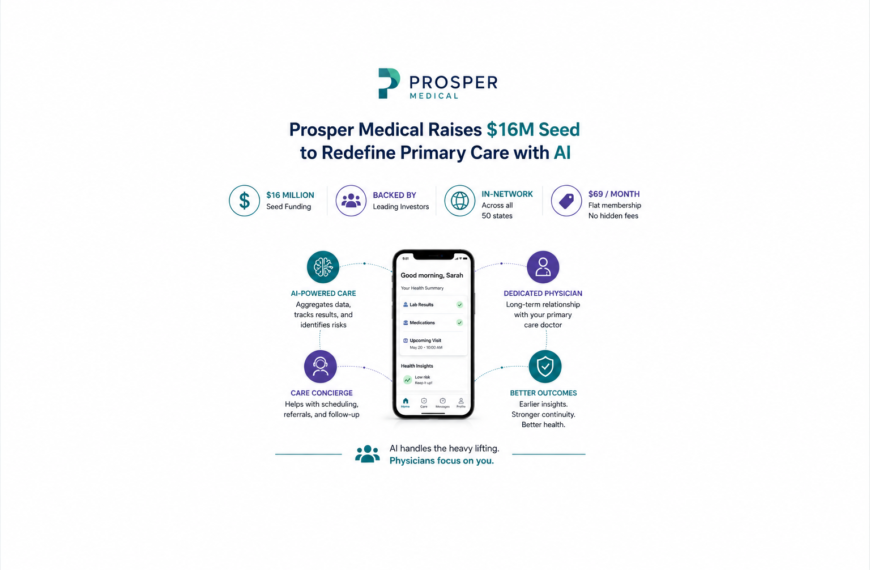
One of the most decisive messages from JPM 2026 was that AI is no longer optional. Major pharmaceutical companies positioned AI as foundational infrastructure across drug discovery, development, and operations.
Strategic collaborations between biopharma and technology leaders underscored a transition from pilot projects to long-term, enterprise-scale AI integration, particularly in:
- Predictive biology and target discovery
- Clinical trial optimization and automation
- Portfolio prioritization and real-world evidence generation
This shift reflects growing investor expectations for measurable ROI from AI investments, rather than conceptual promise.
Dealmaking Evolves: Fewer Mega-M&A, More Precision Partnerships
While JPM 2026 saw fewer blockbuster acquisitions announced on stage, deal-making momentum remained strong beneath the surface. The industry increasingly favored:
- High-value licensing deals
- Option-based partnerships
- Targeted acquisitions of platforms and late-stage assets
This more selective approach reflects lessons learned from recent cycles, with companies prioritizing capital efficiency, risk sharing, and speed to value over scale for scale’s sake.
Pipeline Strategy Takes a Front Seat
Therapeutic focus areas reinforced long-term conviction rather than short-term trends:
- Oncology remained dominant, driven by bispecifics, radioligand therapies, and precision medicine
- Cardiometabolic and metabolic disease innovation expanded beyond first-generation GLP-1 therapies
- Neuroscience and complex diseases returned to strategic agendas as AI and biomarkers improved risk profiles
Executives emphasized portfolio discipline, with clearer decisions on what not to fund — a notable change from earlier growth-at-all-costs eras.
Capital Markets: Cautious Optimism Returns
Investor sentiment at JPM 2026 reflected measured confidence. Venture capital activity showed signs of recovery, IPO windows began reopening selectively, and public market investors signaled renewed interest in companies with:
- Differentiated platforms
- Clear clinical milestones
- Credible paths to commercialization
The message was consistent: science alone is no longer enough — execution and capital discipline matter more than ever.
Strategic Takeaway
JPM 2026 reaffirmed that the biopharma industry is entering a more mature phase — one where AI is embedded, partnerships are smarter, portfolios are tighter, and accountability is higher.
Rather than chasing volume, the industry is now focused on precision, productivity, and long-term resilience.
“JPM 2026 wasn’t about hype — it was about strategy,” said Anuja Ghorpade, Chief Editor at BioNexAI Market Insights. “The industry is clearly prioritizing AI as infrastructure, disciplined deal-making, and portfolios that can withstand both scientific and market scrutiny.”
About BioNexAI Market Insights
BioNexAI Market Insights is a leading strategic intelligence and media platform covering the intersection of AI, biotechnology, pharmaceuticals, and healthcare innovation. We provide decision-makers with forward-looking insights that shape investment, partnership, and growth strategies across global life sciences.

 By
By