In 2025, Merck pursued a series of high-impact collaborations, acquisitions, and licensing agreements to expand its portfolio, enhance innovation, and position the company for sustainable long-term growth. These deals reflect a focused strategy targeting oncology, vaccines, immunology, and emerging modalities such as gene therapy and antibody-drug conjugates (ADCs).
Key Deals and Strategic Significance
- Acquisition of VelosBio: Merck acquired VelosBio, adding Tivdak, a targeted therapy for solid tumors, to its oncology portfolio. This acquisition strengthens Merck’s leadership in immuno-oncology and expands its pipeline with novel targeted treatments.
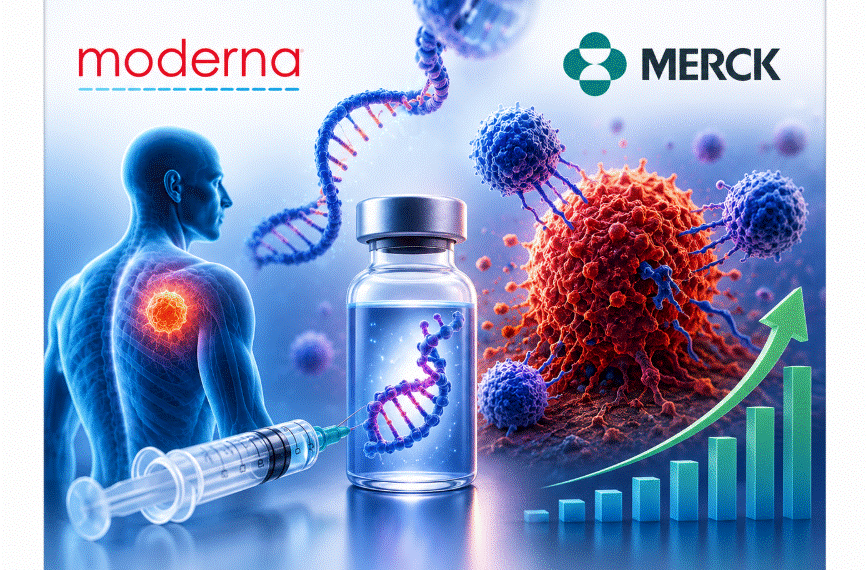
- Collaboration with Moderna: Focused on mRNA-based combination vaccines, this partnership allows Merck to leverage cutting-edge mRNA technology to accelerate vaccine development and broaden global immunization reach.
- Partnership with Icosavax: Advanced respiratory and pandemic preparedness vaccines, strengthening Merck’s capabilities in public health innovation and emerging infectious diseases.
- License Agreement with Seagen: Provided access to antibody-drug conjugate (ADC) technologies, enabling faster development of next-generation oncology therapies and complementing Merck’s internal R&D pipeline.
- Gene Therapy Alliance: A collaboration with a leading gene therapy company to explore therapies for rare genetic disorders, positioning Merck in high-value, high-need therapeutic areas.
Strategic Impact and Outlook
Merck’s 2025 deal-making reflects a precision-focused strategy that balances internal innovation with external expertise. By selectively acquiring and collaborating with specialized biotech firms, Merck enhances its:
- Pipeline depth and innovation: Accelerating the development of transformative therapies in oncology, vaccines, and immunology.
- Competitive positioning: Access to advanced modalities such as ADCs, mRNA vaccines, and gene therapies strengthens leadership in high-growth therapeutic areas.
- Global reach and patient access: Collaborations expand the company’s ability to deliver treatments to patients worldwide, particularly in emerging and underserved markets.
Looking ahead, these strategic transactions are expected to accelerate Merck’s pipeline maturation, enhance therapeutic innovation, and support sustainable growth into 2026 and beyond. With a strengthened portfolio and access to next-generation technologies, Merck is well-positioned to continue delivering transformative solutions to patients and long-term value to stakeholders.

 By
By