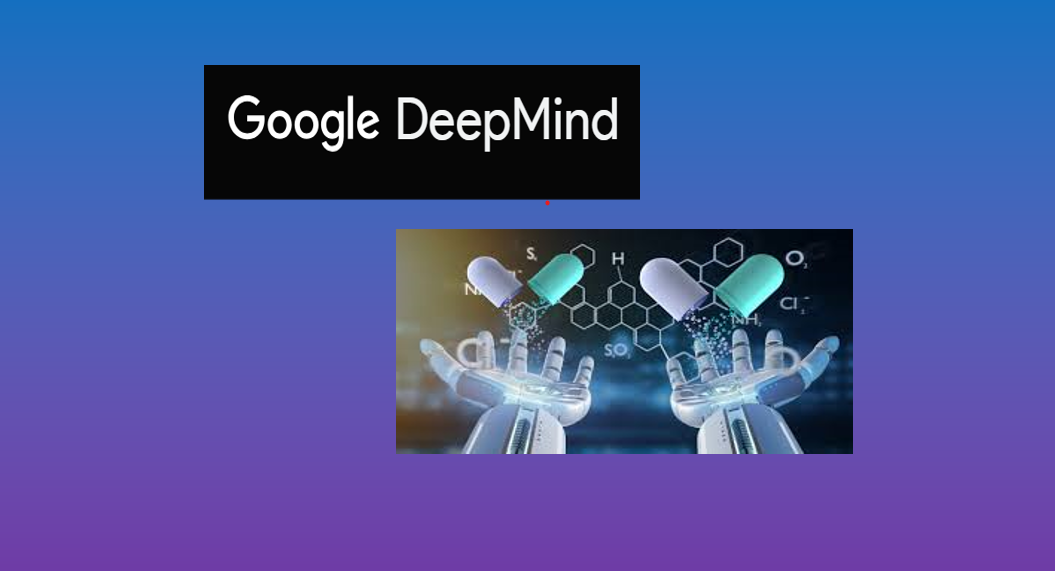

Key Highlights:
- DeepMind CEO asserts AI advances could reduce drug discovery cycles dramatically—from years down to months.
- Predictive models and precision screening identified as key tools to boost success rates and cut failures.
- The shift could reshape R&D investment, favor AI-first biotech startups, and intensify regulatory & validation demands.
What Hassabis Says: A Turning Point for Drug Discovery
Demis Hassabis, CEO of DeepMind, recently told Bloomberg that artificial intelligence is poised to revolutionize the pharmaceutical sector by dramatically shortening discovery timelines. He emphasized that AI tools—especially models trained on large biological datasets—can accelerate identification of candidate molecules, improve prediction of toxicity or binding behavior, and reduce the historically high failure rates that delay or derail drug development. The Times of India+1
Tech Levers: Precision, Prediction, and Scale
Hassabis pinpointed several factors driving this change: advanced predictive modeling, structure-based drug design, and the use of AI to sift through biological complexity (e.g. protein interactions, molecular binding). With stronger in silico screening and earlier detection of problematic molecules, development cycles can avoid costly dead-ends. The implication is that both big pharma and agile AI-driven startups can benefit. The Times of India+1
Challenges: Validation, Regulation & Data
Despite the optimism, Hassabis acknowledged substantial hurdles: regulatory pathways lagging behind innovation; the need for robust in vivo and clinical validation of AI-derived candidates; and concerns about data quality, privacy, and bias. AI may expedite discovery, but ensuring safety, reproducibility, and regulatory acceptability remains non-trivial. The Times of India
Implications for Startups & the Biopharma Ecosystem
For biotech and AI startups, this heralds both opportunity and pressure: those with strong computational capabilities, access to high-quality biological and structural data, and well-validated AI pipelines are likely to see increased interest from investors and pharma partners. Meanwhile, incumbents may need to adapt, invest in AI infrastructure, collaborate more intensively, or risk being disrupted.
About DeepMind & Demis Hassabis
DeepMind, led by co-founder and CEO Sir Demis Hassabis, is an AI research lab under Alphabet focused on using cutting-edge machine learning to solve hard scientific, biological, and medical problems. Hassabis has foreseen a future where AI models not only predict molecular structures (via tools like AlphaFold), but also guide the full drug discovery pipeline—from target identification to lead optimization.

 By
By