
Key Highlights
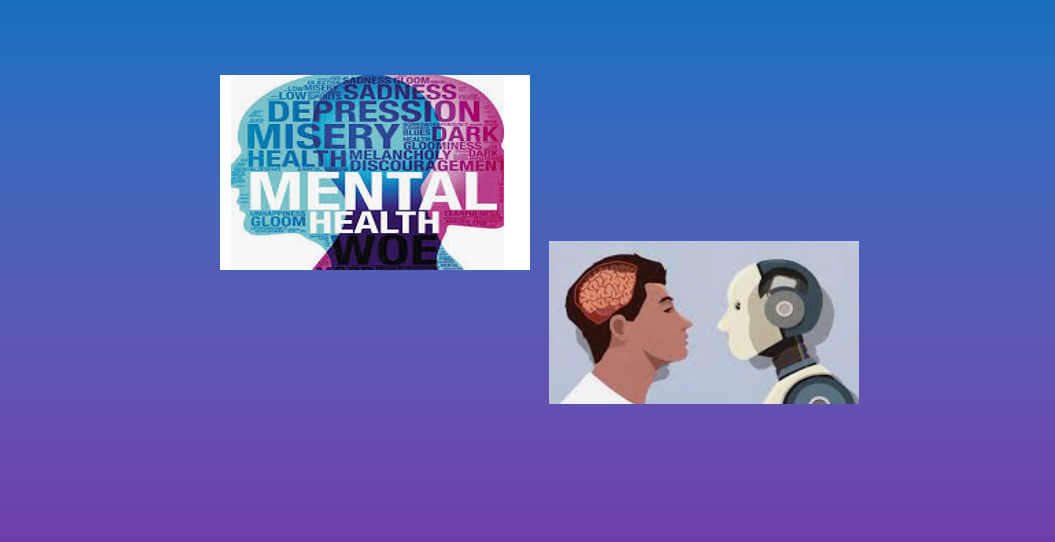
- Illinois is now the first state to prohibit AI from providing direct mental health therapy and clinical decision-making, setting fines up to $10,000 for violations.
- The Wellness and Oversight for Psychological Resources Act still permits AI use for administrative and supplementary roles, while establishing strict boundaries to protect patient care from unregulated digital interventions.
- The move comes amid rising national scrutiny over AI therapy chatbots, with other states—like Utah and New Jersey—pursuing related regulatory actions.
Background and Impetus for the Ban
Driven by incidents where AI chatbots posed risks—including cases suggesting harmful behavior or advice—Illinois lawmakers, professional groups, and the Department of Financial and Professional Regulation crafted and enacted the Wellness and Oversight for Psychological Resources Act. This landmark legislation responds to recent studies and survey data highlighting significant public concerns over AI-driven diagnoses, confidentiality, and a lack of empathy in digital therapy.
Key Provisions of the Legislation
- Ban on AI Patient Care: The law bars AI from generating treatment plans, assessing emotional states, or offering therapy without direct oversight by a licensed human clinician. Independent AI therapy is explicitly forbidden, with strict enforcement by the state’s financial regulators and penalties up to $10,000 per infraction.
- Permitted Uses: AI applications can still assist with non-clinical duties—like appointment scheduling, administrative documentation, or support functions—provided they do not cross into independent patient interaction or decision-making.
Rationale and Stakeholder Responses
Supporters argue the law ensures “quality healthcare from real, qualified professionals and not computer programs that pull information from all corners of the internet to generate responses that harm patients,” emphasizing patient safety, care quality, and public trust. The American Psychological Association and lawmakers cited both anecdotal evidence (including AI recommending substance use or failing to manage crisis) and academic research illustrating AI’s current bias, safety, and reliability gaps.
National and Industry Impact
Illinois’s move is seen as a regulatory template, with potential to accelerate similar legislation nationally as AI encroaches on sensitive aspects of patient-provider relationships. Utah, New Jersey, Nevada, and New York are already taking steps: Utah, for example, mandates prominent AI-bot disclosures; New Jersey prohibits misrepresenting AI services as licensed clinicians; Nevada bans AI therapy in schools; and New York will soon require AI bots to hand off crisis care to human professionals.
What’s Next for AI in Mental Health?
While administrative AI will remain a valuable tool, any use of AI for direct patient therapy or autonomous clinical judgement faces growing legislative scrutiny. Experts predict a tightening regulatory environment for AI platform developers, healthcare providers, and tech firms—prompting a renewed emphasis on transparency, human oversight, and standards for trustworthy digital health innovation.

 By
By